Crisis in the Gulf: Iran’s Missile Strikes and Escalating Military Conflict
The Latest Update: Iran Launches Fresh Wave of Attacks
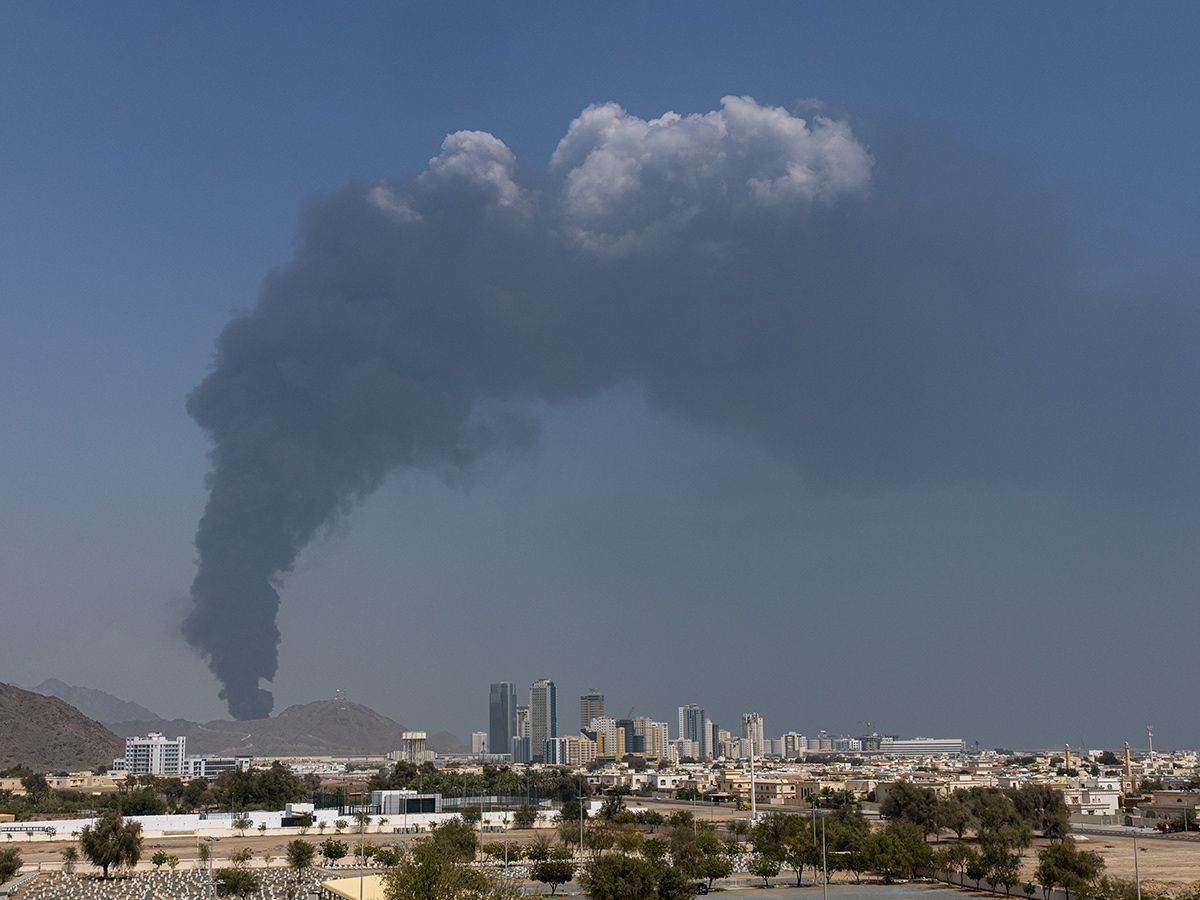
On March 5, 2026, Iran intensified its military operations, launching a fresh wave of missile and drone strikes across the Gulf region. The attacks were reported in the United Arab Emirates, Bahrain, and Qatar, prompting immediate warnings to the public. According to the Nour news agency, Iran struck an oil tanker in the Persian Gulf, underlining the significant risk to shipping in the energy-rich area. Oil prices spiked, approaching US$80 a barrel in New York trading, highlighting the broad economic impact of the conflict.
In response, Israel launched a twelfth wave of airstrikes on the Iranian capital, Tehran. The attacks targeted military and intelligence assets, including the Hezbollah militant group in Lebanon. The ongoing conflict, which entered its sixth day, has resulted in at least 1,200 deaths in Iran so far, with casualties reported in multiple regions. These developments underscore the growing intensity of the military conflict and its far-reaching consequences.
Economic and Regional Impacts
The intensification of the conflict has sent shockwaves through global markets. According to the National Post, oil prices have surged, driven by reports of attacks on critical infrastructure in the Gulf. The spike in prices reflects the heightened risk to shipping and energy supplies, which are crucial for the global economy. These fluctuations in oil prices can have severe implications, affecting everything from consumer prices to industrial production and economic growth.
The Financial Post reported that the U.S.-Israeli war on Iran has continued for six days, with both sides vowing to escalate their operations. The prolonged conflict has not only inflicted significant damage and loss of life but also raised concerns about potential long-term economic and political instability in the region. The ongoing attacks on shipping lanes and energy facilities could disrupt global trade and supply chains, potentially leading to a recession in several economies that are heavily reliant on oil.
Toronto's Supervised Drug Consumption Sites: A Positive Impact on Crime
In a completely unrelated development, a new study by researchers at McGill University has found that crime rates declined near Toronto's supervised drug consumption sites (SCS). The study, published in JAMA, analyzed incidents of crime within a 400-meter radius of nine SCS locations in Toronto from January 1, 2014, to June 30, 2024. The findings, presented in a report to the Toronto Police Board, indicated that while there were initial concerns about increased crime, the evidence suggests that these sites have had a neutral to positive impact on the surrounding neighborhoods.
Dimitra Panagiotoglou, a researcher at McGill, explained that the study found a decline in most crimes over time. "Overall, these sites don't lead to increases in crime," she said, "but there are ways of integrating them into communities that are more positive than not." However, the study did note an increase in break and enter incidents immediately after sites opened, but these rates declined over time. The researchers believe that a balanced approach that considers both public health and public safety is critical to reducing the harms associated with substance use.
The provincial government is spending $550 million to build 28 Health and Addiction Recovery and Treatment (HART) hubs across Ontario to provide treatment options and supportive housing. These sites are designed to offer a safe environment for individuals to consume drugs under medical supervision, with the goal of reducing overdose deaths and related crime. While the Toronto study provides some reassurance, there is still a need for ongoing evaluation and community engagement to ensure the sites are effectively integrated into the neighborhoods where they are located.
Toronto Police Budget Increases and Homicide Rates
The Toronto police budget approved on March 2, 2026, saw a $46.2 million increase, bringing the total budget for 2025 to over $1.2 billion. This reflects a 3.9% increase from the previous year and is a significant step in modernizing the force and addressing rising demands. According to Toronto Police Director of Information Management Ian Williams, the increase will help hire new officers to tackle the growing population, increasing retirements, and expanding the neighbourhood officer program.
However, despite the increased funding, the Toronto Police Service's online data portal revealed that the number of homicides in the city was slightly higher in 2024 than at this time last year. As of March 18, 2024, there were 16 homicides in Toronto, compared to 10 at the same point in 2023. However, experts caution that short-term data should not be used to draw broad conclusions about long-term trends. Irvin Waller, a professor emeritus of criminology at the University of Ottawa, emphasized that small numbers of homicides can fluctuate significantly from year to year. "I think you should be careful about short term swings," he said. "You would expect fluctuations from quarter to quarter and from year to year."
Expert Opinions on the Conflict
The articles do not provide direct conflicting views, but they present a consistent narrative of escalating conflict and retaliation. According to the Nour news agency, "Iran’s Islamic Revolutionary Guards Corps said retaliatory attacks will intensify in coming days." This statement underscores the ongoing nature of the conflict and the potential for further escalation. However, the articles do not delve into the perspectives of Iran or its allies, which could provide a different angle on the conflict.
Humanitarian Impact and Long-Term Strategic Goals
While the immediate focus remains on the military and economic impacts, the long-term implications of the conflict are significant. The humanitarian impact on civilians in the affected regions, including the displacement of people and the psychological effects of the ongoing attacks, warrants further investigation. Additionally, the economic impact on global markets, including the potential for a recession, should be carefully monitored. The diplomatic efforts and negotiations between Iran, Israel, and the United States, and the potential for de-escalation or conflict resolution, also remain critical areas that require attention.
In conclusion, the escalating military conflict between Iran and Israel, with its economic and regional repercussions, poses significant challenges for the global community. The positive findings from the Toronto study on supervised drug consumption sites highlight the need for a balanced approach to public health and safety. Meanwhile, the ongoing review of homicide rates in Toronto underscores the complexity of urban policing in the face of rising demands. As the situation continues to unfold, it is crucial to monitor both the immediate and long-term impacts of the conflict and support diplomatic efforts to de-escalate tensions.