Escalation in the Middle East: Israel, US, and Iran in a Protracted Military Conflict
On March 6, 2026, the Middle East found itself on a knife's edge as a protracted military conflict between Israel, the United States, and Iran continued to intensify, leaving a trail of destruction and devastation across multiple countries. The conflict, now in its seventh day, has escalated to a level not seen since the 2024 ceasefire that ended a previous war between Israel and Iran's proxy, Hezbollah. The latest round of strikes and retaliatory attacks has sent shockwaves through the region and beyond, with global oil markets and diplomatic efforts struggling to keep pace.
The Latest Strikes and Retaliations
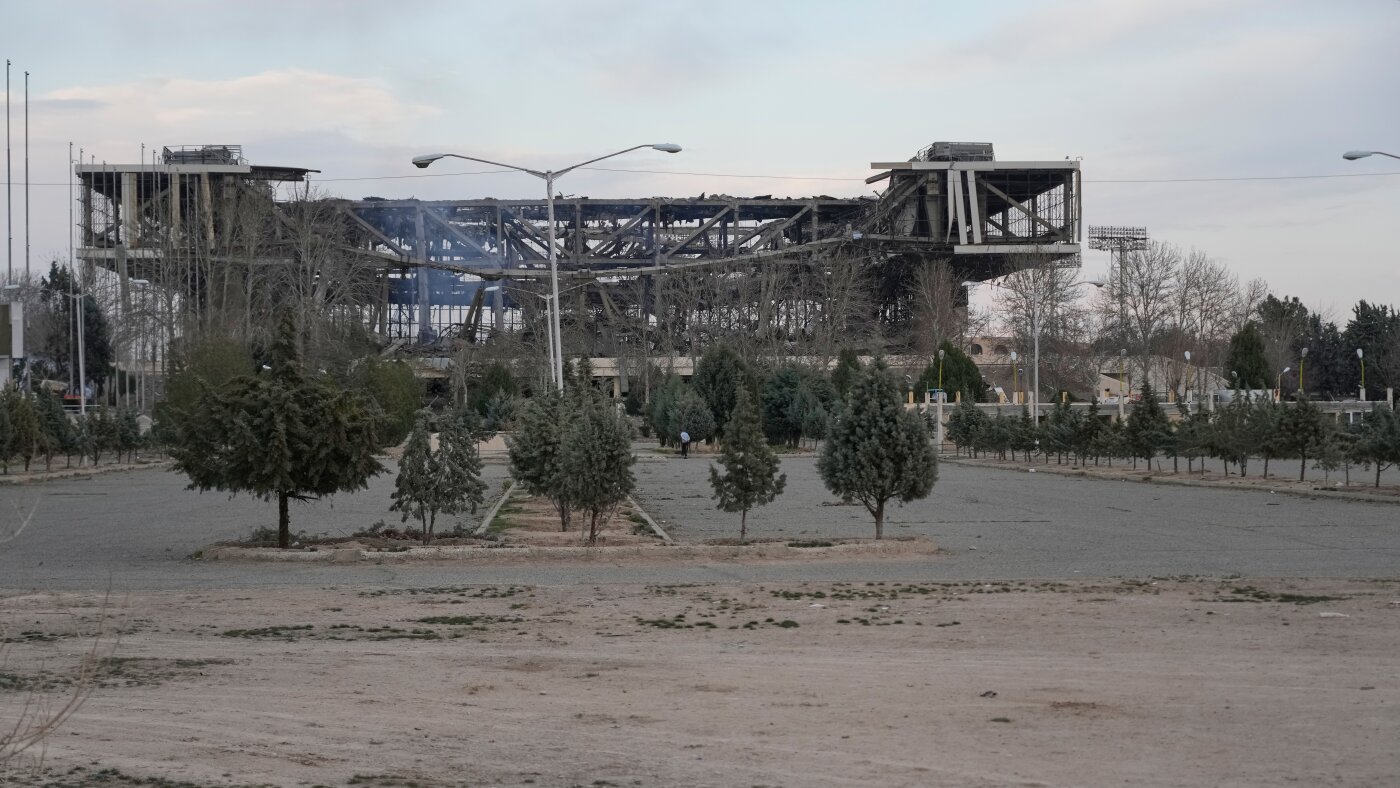
On the morning of March 6, Israeli warplanes struck multiple targets in Tehran and Beirut’s southern suburbs. According to reports, explosions were heard around Kermanshah, an Iranian city that houses multiple missile bases. The strikes were the heaviest since the 2024 ceasefire, and Israel's Army Chief of Staff, Eyal Zamir, reported that Israel had destroyed 80% of Iran's air defenses and at least 60% of its ability to launch missiles. "We detected over 200 rockets and missiles launched from Iran towards our country, and our air defense systems are currently operating to intercept them," Zamir stated in a press conference.
Meanwhile, in Beirut, the United States had targeted an Iranian drone carrier at sea, according to unnamed sources. The U.S. military continued its campaign against Iran's military capabilities, leadership, and nuclear program. The strikes in Lebanon were the heaviest since the 2024 ceasefire, displacing tens of thousands of people and causing widespread panic among the civilian population.
Casualties and Displacement
According to the humanitarian organization Iranian Red Crescent, over 1,300 people had been killed in Iran, with the Supreme Leader Ayatollah Ali Khamenei among the casualties. In Lebanon, at least 683 people had been wounded in overnight attacks. The strikes in the Beirut suburbs and southern Lebanon alone resulted in at least 52 people killed and 154 wounded, according to reports from Lebanon's health ministry.
The conflict has also forced hundreds of thousands of civilians to flee their homes. The U.S. State Department had issued a travel advisory, urging U.S. citizens to leave more than a dozen Middle Eastern countries due to safety risks. The hardest hits are yet to come, as U.S. Defense Secretary Pete Hegseth warned that the strikes against Iran were "about to surge dramatically."
Economic and Diplomatic Impact
The conflict has had far-reaching economic and diplomatic consequences, with oil prices surging by 20% in the past week to around $80 a barrel. European natural gas prices had also risen by 40%, according to reports. The Strait of Hormuz, a critical shipping lane for 20% of the world's oil, is under threat. Around 40% of India's crude imports pass through the Strait, making any disruption potentially catastrophic for the global economy.
The United States and Israel have vowed to continue their attacks, with no apparent exit strategy. President Donald Trump stated that operations against Iran would likely last several weeks, potentially up to five weeks or longer. "The hardest hits are yet to come from the U.S. military," Trump said, indicating a willingness to intensify the strikes.
Iran's Response and Diplomatic Efforts
Despite the intense pressure, Iranian President Masoud Pezeshkian insisted on the commitment to lasting peace in the region. "Let’s be clear: we are committed to lasting peace in the region yet we have no hesitation in defending our nation’s dignity & sovereignty," Pezeshkian said in a tweet. "Mediation should address those who underestimated the Iranian people and ignited this conflict."
Iranian forces have launched retaliatory attacks on neighboring countries hosting U.S. forces, including a drone strike near the U.S. Embassy in Kuwait that caused limited damage. The attacks have raised concerns about a potential escalation that could involve regional powers like Saudi Arabia and Turkey.
Long-Term Strategic Goals
The articles do not provide detailed information on the specific targets of the U.S. and Israeli strikes, nor do they delve into the long-term strategic goals of these countries. The stated aims include toppling Iran's government and preventing a nuclear program, but the effectiveness of the strikes and the strategic objectives are not clearly articulated.
Conclusion
As the conflict in the Middle East enters its seventh day, the region stands on the brink of a prolonged and potentially devastating war. The United States and Israel have vowed to intensify their attacks, while Iran insists on peace but is preparing for further retaliation. The global economy and diplomatic efforts are under immense pressure, and the daily lives of millions of civilians are at risk.
The international community faces a critical juncture as it seeks to mediate the conflict and prevent a wider regional war. The coming weeks will be crucial in determining whether the conflict can be de-escalated or if it will continue to spiral out of control.