
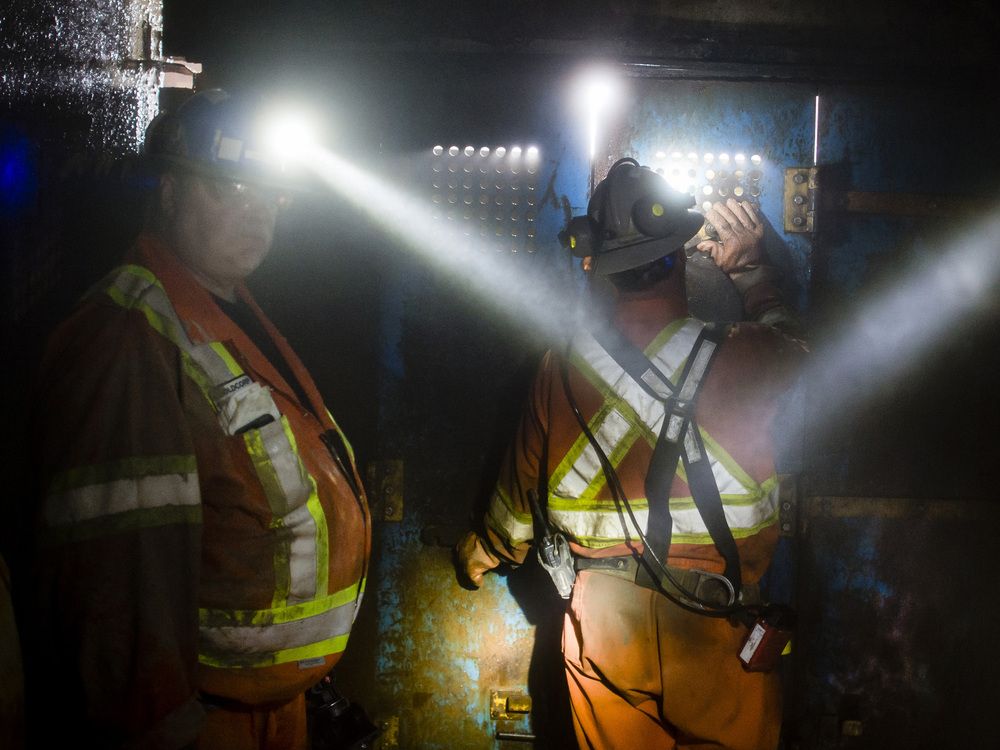
Mining Timelines Cut in Half: Ontario Steps Up to Boost Industry
On the eve of the 2026 PDAC convention in Toronto, Ontario’s Energy and Mines Minister, Stephen Lecce, announced significant changes to the mining sector. The government has slashed permit timelines for mining activities by 50%, aiming to streamline operations and support the industry's competitiveness. This move is seen as a critical step in reviving the often-underappreciated mining sector, which faces challenges from both domestic and international competitors.
Economic Volatility and Energy Sector Cuts
A stark contrast to the mining industry's newfound momentum lies in the natural gas sector, where economic volatility is taking a toll. Canada's largest natural gas producer, Tourmaline Oil Corp., has scaled back its spending plans for the year, citing "unusually volatile times." The company has trimmed $400 million from its 2026 capital budget, leaving it at $2.55 billion. This reduction comes after an unseasonably warm winter in the western U.S. and outages at LNG Canada dampened demand for natural gas.
According to Mike Rose, Tourmline's CEO, this cautious approach is necessary: "During these unusually volatile times, the best business approach is to steadily reduce debt and continually improve the overall cost structure." While the company reported a fourth-quarter net loss of $655 million, it did maintain robust cash flow, with a reported $890 million, up from $850 million. This balance sheet strength provides a buffer against further cuts if market conditions remain uncertain.
Student Protests Against OSAP Cuts
Across the province, students have taken to the streets in protest against the Ontario Student Assistance Program (OSAP) changes. The Ontario government has shifted the program from a majority grant structure to a majority loan structure, a move that has sparked widespread concern and outrage. In the 2024-25 school year, the province spent $1.7 billion on grants for 473,000 students. This year, the budget is set to increase to $2.7 billion, but the long-term outlook is bleak. By 2028-29, the previous program was projected to hand out over $4 billion in grants, far more than the current budget.
Nolan Quinn, Ontario’s Minister of Colleges and Universities, defended the changes, arguing that they "ensure that the students are making smart decisions with some of the labour market needs that are very clearly articulated, not just in Ontario, but across Canada." However, student protesters see this as a regressive policy that will burden them with significant debt. Omar Mousa of the Canadian Federation of Students–Ontario (CFS-Ontario) said, "We are distraught, but we are not willing to settle for the conditions that this government has manufactured."
The protests have been intense and widespread. Hundreds of students rallied outside Queen's Park in Toronto, while hundreds more walked out of class in Waterloo and Ottawa. The movement has gained momentum, with high school students in Oshawa and St. Catharines joining the fray. These protests highlight the growing tension between government austerity measures and the financial well-being of young Canadians.
Privacy Commissioner's Investigation into Loblaw
In a separate development, the Privacy Commissioner of Canada has found that Loblaw took too long to delete PC Optimum accounts, raising concerns about customer privacy. The commissioner’s investigation uncovered that despite having the mechanism to respond to account deletion requests, Loblaw failed to act swiftly, taking an unreasonable amount of time to address the requests and failing to respond to some privacy-related inquiries from customers.
This delay in responding to customer requests has led to ongoing privacy concerns about the retention of purchase history data, even after accounts are deleted. The commissioner’s office noted that while Loblaw removed personal identifiers such as names and email addresses, they kept the purchase history on file, potentially allowing for re-identification of customers. Loblaw has since agreed to implement the commissioner’s recommendations, including a third-party review of its anonymization process to ensure customer privacy is better protected.
Implications and Future Outlook
The mining industry's shortened permit timelines and the government's support for the sector could have significant economic implications for local communities and provinces that heavily rely on mining. Shorter permit timelines could attract more investment and activity, potentially boosting job creation and economic growth. However, the reduced spending by energy companies like Tourmaline could dampen investment in the natural gas sector, affecting long-term energy strategies and supply.
The student protests against OSAP cuts underscore the broader debate around financial support for higher education and the long-term economic impact of making students bear more of the financial burden. While the government argues that the changes will help students make smarter financial decisions, the protests suggest a deep-seated concern that these changes will exacerbate the student debt crisis.
The privacy issues raised by the investigation into Loblaw highlight the growing tension between convenience and privacy in the retail sector. As more companies gather and store customer data, it becomes crucial to ensure that privacy protections keep pace with technological advancements.
Overall, these developments reflect a complex interplay of economic, social, and technological challenges that will shape the coming years. The government's actions and the responses from affected sectors and the public will be critical in determining the future trajectory of these industries and policies.


