
Oil Prices Soar, Sending Global Markets Reeling: The Iran Conflict's Impact
Breaking Ground: The Sudden Surge in Oil Prices
On March 6, 2026, the oil market experienced a sudden and significant surge, with Brent crude climbing 4.9% to $85.41 per barrel and U.S. crude shooting up 8.5% to $81.01 per barrel. This sharp increase sent shockwaves through global financial markets, with the S&P 500 falling 0.6% and the Dow Jones Industrial Average losing 784 points, or 1.6%. The Nasdaq composite slipped 0.3%. The S&P/TSX composite index was down 332.89 points at 33,609.97. These moves came as financial markets around the world remained on high alert, closely following the ongoing conflict with Iran.
The Strait of Hormuz: A Vital Lifeline
The Strait of Hormuz, a narrow waterway connecting the Persian Gulf to the Gulf of Oman, is a critical chokepoint for about 20% of global oil consumption. Recent developments, including Iran's declaration that the strait is closed following attacks by the U.S. and Israel, have raised serious concerns about potential disruptions to global oil supplies. This closure has already led to a significant slowdown in tanker traffic through the strait, with CIBC Private Wealth's energy trader Rebecca Babin noting, "The crude market is extremely measured. I don't see panic out there." However, the market remains vigilant, with analysts at TD Securities predicting that crude oil prices could hit $100 a barrel if the disruption becomes prolonged.
Consumer Impact: The Gas Pump Blues
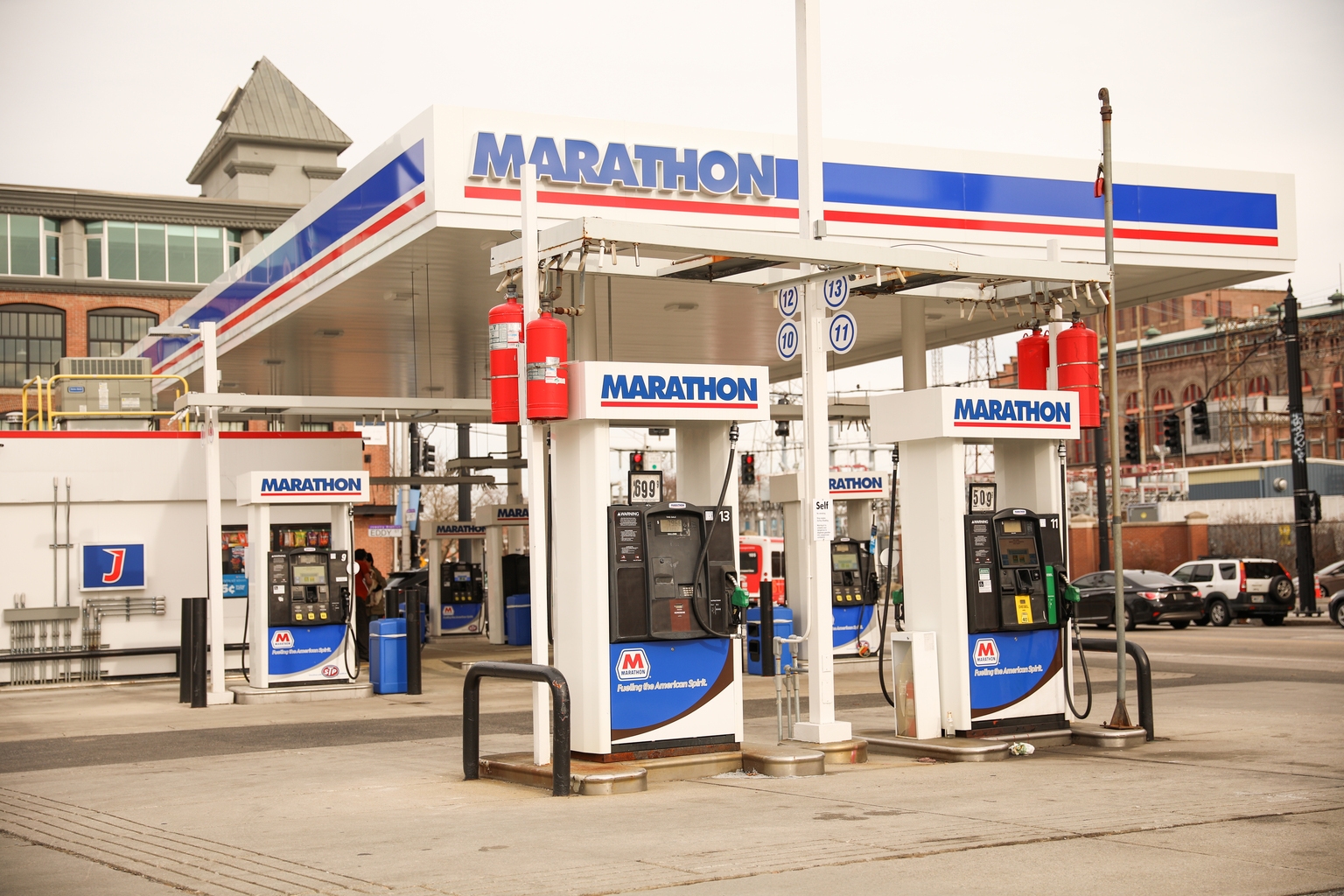
For consumers, the implications of this oil price spike are stark. The average price of gas in the U.S. has climbed 9% from $2.98 a week ago to reach $3.25. This increase is not just a local phenomenon; it is part of a broader global trend. AAA's Scott Wren, senior global market strategist at Wells Fargo Investment Institute, underscores the impact: "The price for a barrel of benchmark U.S. crude shot up 8.5% Thursday to settle at $81.01 per barrel." This rise is affecting not just the U.S., but markets around the globe, as the Dow Jones and S&P 500 experienced significant drops.
Optimism vs. Pessimism: A Divided Market
While some experts maintain a more optimistic outlook, others are more cautious. Rob Thummel, portfolio manager at Tortoise Capital, notes, "If it becomes clearer this week that the tensions with Iran are going to be short-lived, then oil prices come back to the 60s." Thummel's sentiment is echoed by the market's initial reaction, which saw prices moderate slightly later in the day. However, the pessimistic view remains strong, with analysts predicting that prices could rise to $100 per barrel if the conflict drags on.
Global Implications: A Broader Perspective
The Iran conflict is not just a local issue; it has broader implications for global energy markets. The U.S. and Israel's attacks on Iran have reignited concerns about the stability of the Middle East, a region that holds significant energy reserves. This conflict is not just about immediate prices; it is also about long-term strategic implications. The U.S.'s approach to Iran, including recent military operations, suggests a long-term confrontation that could reshape energy dynamics.
Strategic Implications: A New Era in Energy
As the world watches the developments unfold, there is a growing sense that the current conflict could accelerate the shift towards alternative energy sources. The rise in oil prices is likely to drive investment in renewable energy and other sustainable alternatives. Companies like Marathon Oil, highlighted in the Seeking Alpha article, are positioning themselves to capitalize on this trend by taking advantage of lower stock prices while demand stabilizes.
Conclusion: A Tenuous Balance
The current situation in Iran presents a tenuous balance between immediate market reactions and long-term strategic shifts. While the immediate impact on oil prices and consumer spending is evident, the broader implications for global energy markets and geopolitical relations are significant. The market's measured response to the conflict suggests that a resolution or de-escalation could bring prices back down. However, the long-term effects may be more profound, driving a shift towards a more sustainable and resilient global energy system.
As the situation in Iran evolves, the global energy landscape is set to undergo significant changes, with both immediate and long-term consequences for consumers, businesses, and policymakers. The Iran conflict is not just a one-off event; it is a pivotal moment that could reshape the future of energy.


