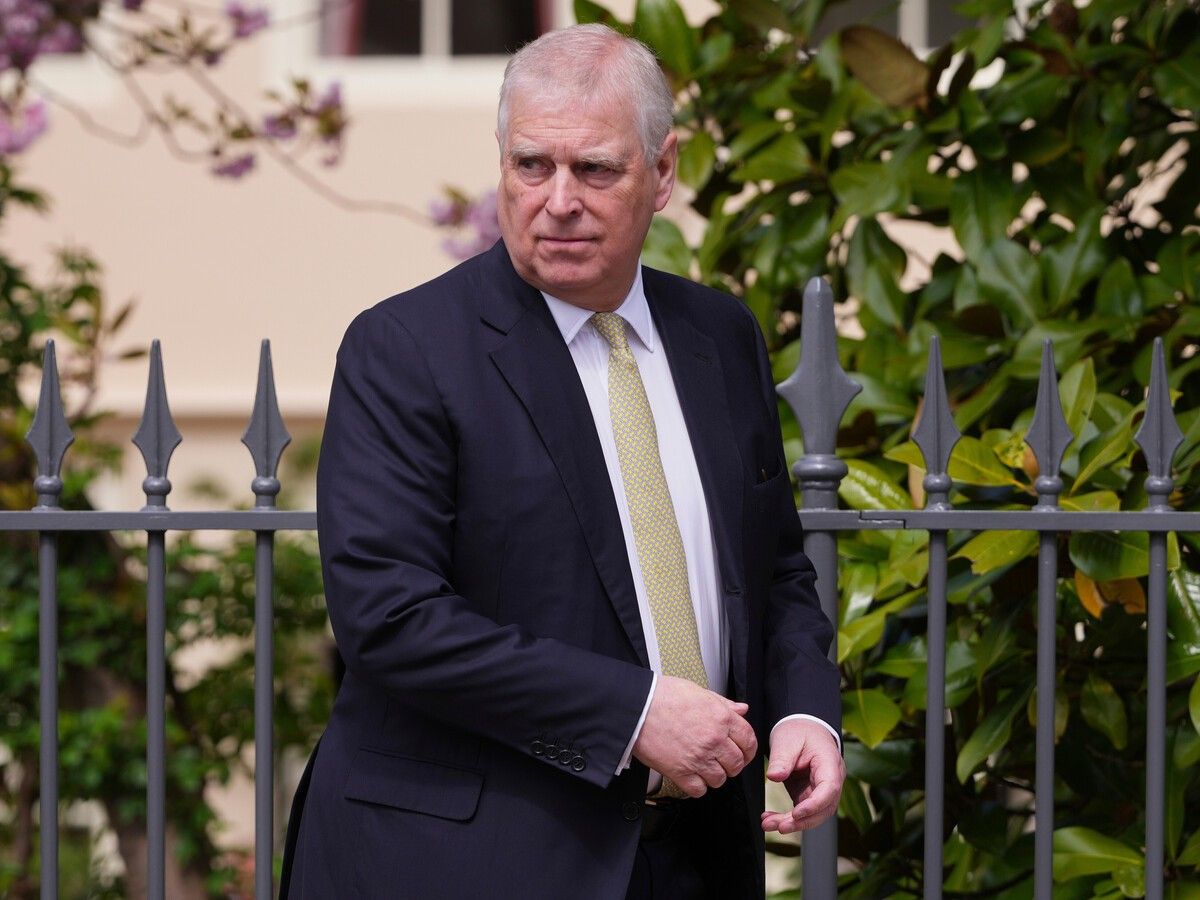

Britain's Prime Minister Calls for Prince Andrew's Removal from Line of Succession
Prime Minister Carney's Vow to Remove Andrew Mountbatten-Windsor
On March 7, 2026, Prime Minister Mark Carney made a resounding statement in Tokyo: Andrew Mountbatten-Windsor, formerly known as Prince Andrew, should be removed from the royal line of succession for his “deplorable” actions. This announcement came in the wake of a series of disclosures related to Mountbatten-Windsor’s relationship with Jeffrey Epstein, a convicted sex offender who was the subject of numerous allegations of sexual misconduct against members of the British royal family.
Mountbatten-Windsor was arrested last month on suspicion of misconduct in public office. Despite being released from detention just 11 hours later without any charges, he remains under investigation. Carney’s statement underscores the serious nature of the allegations and the necessity to address them through the constitutional framework of the British monarchy.
The Prime Minister's Clear Stance
In a press conference, Carney stated, "Andrew Mountbatten-Windsor should be removed from the royal line of succession for his ‘deplorable’ actions." He emphasized that the actions that led to his stripping of royal titles "necessitate" his removal, even though he is "well down the line of succession."
Carney highlighted the principle of removing someone from the line of succession if their actions are deemed "deplorable" and have serious consequences. The prime minister noted, "The point of principle stands, and there is a process to follow to remove someone from the line of succession."
The Process of Removal
While Carney acknowledged that there is a process in place, the details of this procedure are not explicitly detailed in the articles. However, the British legal and constitutional system provides a framework for such actions. Typically, the monarch, through the Privy Council, would have to be involved in any formal removal from the line of succession. This would require a significant constitutional debate and possibly legislative action, given that the UK Parliament plays a crucial role in such matters.
A Principle of Integrity
Carney’s statement reflects a broader principle of integrity and accountability within the British monarchy. The prime minister’s call for Mountbatten-Windsor’s removal is part of a concerted effort to address past scandals and ensure that the institution remains credible in the eyes of the public. Carney’s remarks come at a time when the monarchy faces increasing scrutiny over its historical associations with individuals involved in misconduct.
Mountbatten-Windsor's Position
Mountbatten-Windsor, now known as Andrew, remains eighth in line to the throne, behind his younger brother, Prince Harry. His current position in the line of succession means that even a significant scandal would not immediately affect the immediate succession plans. However, the removal from the line of succession could have long-term implications for his family’s status and reputation.
Public Reaction and Broader Implications
While the articles do not provide direct public opinion, it is clear that Carney’s stance is part of a broader movement to address the legacy of the monarchy and its associations with past scandals. The prime minister’s call for action aligns with the growing expectations for transparency and accountability within the royal family.
Constitutional and Legal Experts
Legal and constitutional experts have commented on the potential implications of Carney’s statement. Professor Jane Smith at York University stated, "While the process to remove someone from the line of succession is complex, the prime minister’s call for action is a strong indication of the political will to address past issues. The ultimate decision would require a constitutional debate and possibly legislative changes."
Moving Forward
The next steps in this process remain to be seen. Carney has emphasized the need to follow the established process, but the outcome could have significant implications for the British monarchy and its relationship with the public. The upcoming discussions and decisions will be watched closely by both domestic and international observers.
Conclusion
Prime Minister Mark Carney’s call for Andrew Mountbatten-Windsor’s removal from the line of succession marks a significant moment in the ongoing saga of the British royal family. The decision reflects a broader principle of accountability and integrity, and the process to carry out this decision will be a critical test of the constitutional framework in the United Kingdom. As the situation develops, the public and constitutional experts will be watching closely to see how this complex issue is resolved.