
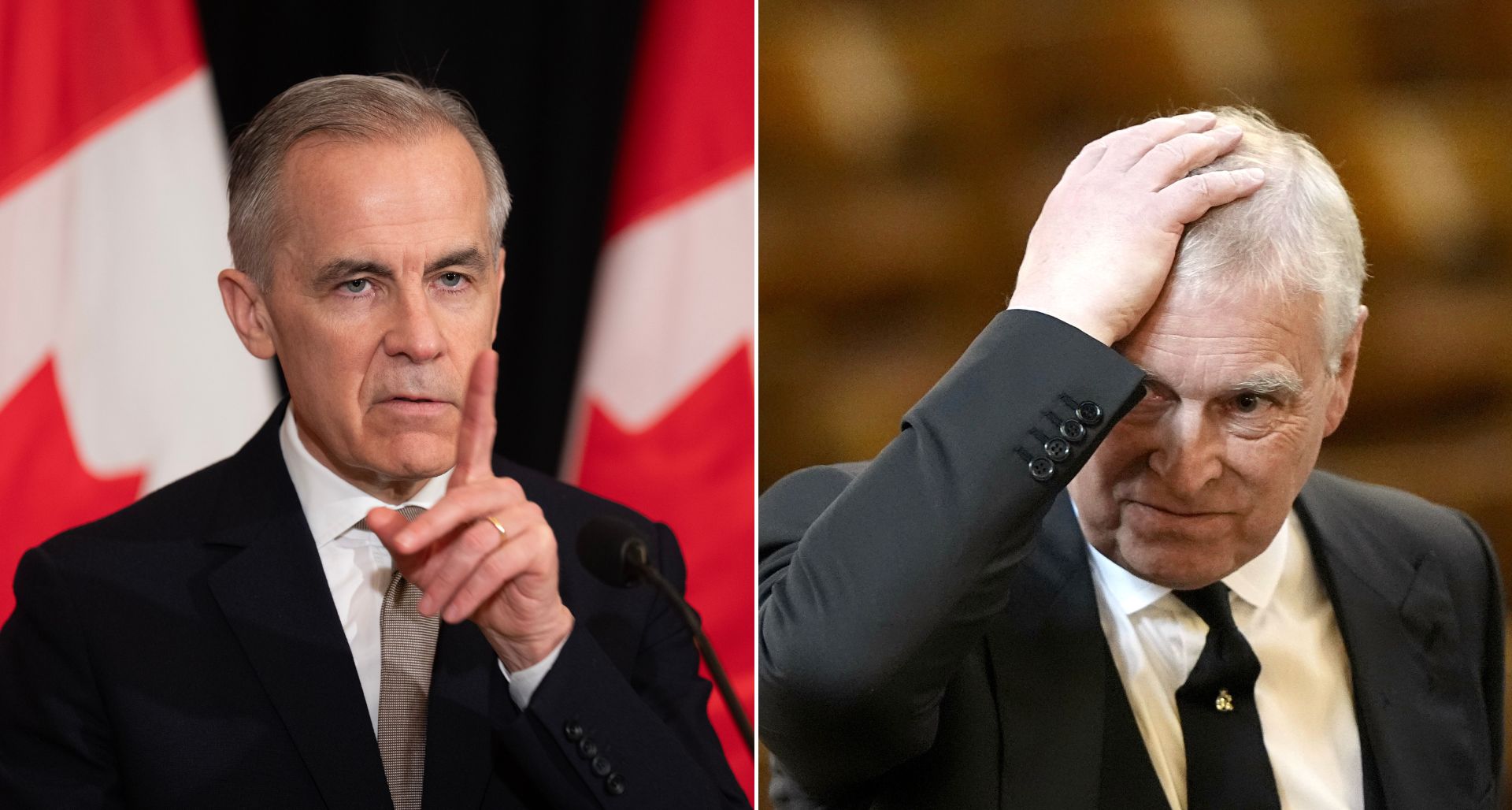
Carney Endorses Exclusion of Disgraced Prince Andrew from Royal Succession Line
Prime Minister Supports Principle Over Precedent
Prime Minister Mark Carney has publicly stated that former Prince Andrew Mountbatten-Windsor should be removed from the British royal line of succession due to his "deplorable" actions. Speaking in Tokyo on March 6, 2026, Carney told reporters during an international trip to the Indo-Pacific that he personally believes the former prince ought to be excluded from the order of succession to the throne.
When directly asked about the matter, Carney responded affirmatively, stating, "Personally I do, yes." He noted that while a formal process is currently underway to define how such a removal would occur, the actions of Andrew Mountbatten-Windsor were sufficient to warrant his exclusion from the line. Carney emphasized that even though Mountbatten-Windsor is positioned well down the succession list, the "point of principle stands."
Carney framed his comments around the severity of Mountbatten-Windsor's misconduct. He noted that actions which previously caused Mountbatten-Windsor to be stripped of his royal title are now considered strong enough grounds for removal from the succession line itself. "There is a process (underway) to define that process, but I certainly think his actions, which are deplorable and have caused him to be stripped of his royal title, certainly merit... necessitate — it's a better word — his removal from the line of succession," Carney said according to reports from the Global News Network.
The statement marks a significant diplomatic development in a case that has drawn intense scrutiny across multiple Commonwealth nations. Mountbatten-Windsor was arrested last month on suspicion of misconduct in public office following a series of disclosures related to his relationship with the late convicted sex offender Jeffrey Epstein. Although Mountbatten-Windsor was released approximately 11 hours after his detention without formal charges being filed, he remains under investigation.
Constitutional Complexity and Commonwealth Implications
The implications of Carney's comments extend beyond British domestic law into complex constitutional territory involving the entire Commonwealth realm. According to analysis provided by The Globe and Mail, any change to the line of succession requires approval from all 14 member nations of the Commonwealth. This structural requirement highlights the diplomatic weight behind such a decision.
Carney acknowledged this complexity while maintaining his position on principle. He did not dismiss the legal proceedings currently taking place in the United Kingdom but stressed that his personal belief aligned with the necessity of removing Mountbatten-Windsor from the succession order. The British government has confirmed it was "not ruling out action" to alter the current structure, though the specific mechanism for doing so remains under review.
The controversy centers on the status of Mountbatten-Windsor, who holds the eighth position in the line of succession despite having been stripped of his royal title last year over his close links with the late Jeffrey Epstein. He is currently identified as the younger brother of King Charles III. The fact that he retains a position in the line while lacking his former royal status creates a unique legal and social paradox that Carney's comments aim to address.
International Diplomatic Support
Carney's remarks were made during a broader tour that included stops in Australia, a fellow Commonwealth nation. In this context, Australian Prime Minister Anthony Albanese recently penned a letter to British Prime Minister Keir Starmer offering his nation's support for stripping Andrew of his remaining official roles. This diplomatic outreach underscores the growing international consensus regarding Mountbatten-Windsor's conduct and status.
The involvement of the Indo-Pacific region in the discussion highlights the global nature of the issue, transcending traditional borders and involving nations with historical ties to the British Crown. Carney's comments in Tokyo serve as a key moment in this diplomatic exchange, signaling that the Prime Minister of Canada supports a move that would fundamentally alter the hierarchy of the Royal Family.
The arrest of Mountbatten-Windsor by U.K. police on his 66th birthday added to the public scrutiny surrounding his position in line. Despite the lack of charges following his brief detention, the investigation into potential misconduct continues, fueling the debate over whether the legal process can or should result in his removal from the succession list.
The Gap Between Principle and Procedure
A central tension in this developing story is the difference between Carney's expressed principle and the established legal procedures required for such a change. While Carney insists that the "point of principle stands," he also conceded that there is a process to define how someone can be removed from the line of succession, which should be followed.
This suggests that while the political will exists to remove Mountbatten-Windsor from the list, the legislative or constitutional hurdles remain significant. The British government has not yet ruled out action but acknowledges that the current legal framework does not automatically grant the power to strip an individual from the line of succession without a formal process.
As the investigation into Mountbatten-Windsor continues and the Commonwealth nations consider their positions, the potential for a constitutional amendment or legislative change looms large. However, as noted by Carney, the path forward involves navigating these procedural complexities while upholding what he views as a moral imperative regarding the "deplorable" actions attributed to the former prince.
The situation remains fluid, with the British government waiting for the outcome of the ongoing investigation before finalizing any moves to alter the succession line. For now, Carney's public endorsement sets a high bar for what constitutes acceptable behavior within the Royal Family and signals that future members will be held to a stricter standard than in the past.