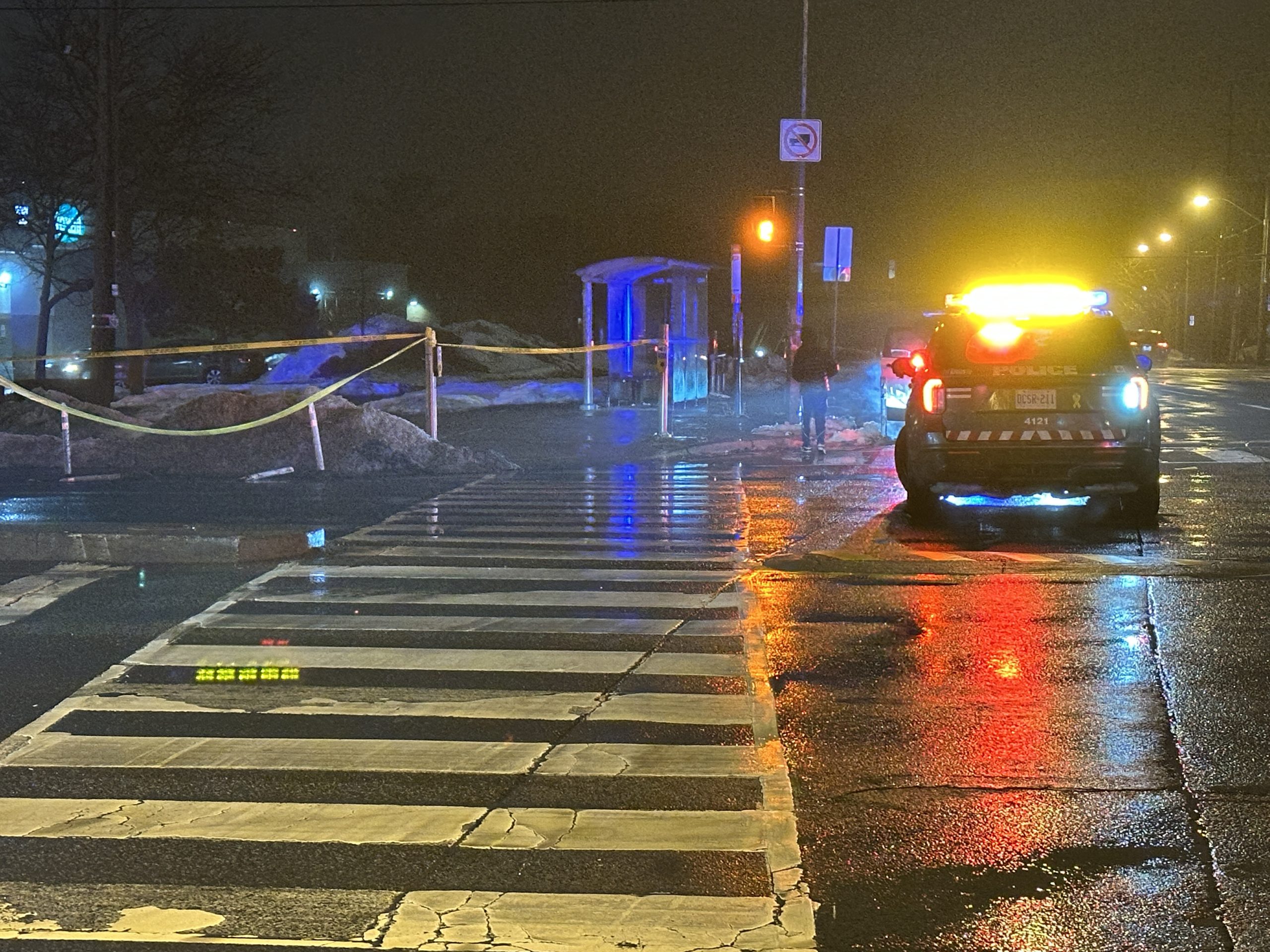

Toronto's Largest Wooden Workshop Fire Engulfs Rural Scarborough
On March 5, 2026, a large wooden workshop in Scarborough, Toronto, became the latest disaster to grab headlines, as fire crews battled a massive blaze that stretched across 100 firefighters. The fire, which began around 9:13 a.m., quickly engulfed a structure that was initially reported as a barn, but was later confirmed to be a large, wooden workshop by Toronto Fire department officials. According to the city's website of active fires, the scene is a dramatic example of the challenges faced by emergency responders in rural areas with limited infrastructure.
Firefighters Battling a Massive Blaze
As the sun rose over Scarborough, Toronto Fire crews mobilized to address the raging inferno at Beare Road and Finch Avenue E. Division commander of operations, Robert Hewson, reported that the fire was "getting on the good side of it," a phrase that underscores the progress being made by the firefighters despite the daunting task at hand. With approximately 100 firefighters in attendance, the operation required coordination from multiple local jurisdictions, including Whitby, Ajax, Markham, and Pickering. Given the lack of fire hydrants in the area, water was being brought in through portable tanks, adding complexity to the rescue efforts.
Unique Challenges and Response Strategies
Hewson explained, "In this situation we bring in the water. We set up pools and pump out of that. It’s just a different plan. It is more work, just different work." This approach highlights the unique challenges posed by rural areas, where infrastructure is often less developed compared to more urban settings. The need to transport water to the scene underscores the resourcefulness of the emergency services, demonstrating their ability to adapt to unconventional scenarios.
The wooden structure, though unoccupied, posed significant risks. While there were no reports of people or animals inside, the fire spread to nearby vehicles, emphasizing the rapid and unpredictable nature of such incidents. Fire crews emphasized the importance of maintaining a focus on containing the blaze while ensuring structural integrity. The use of portable water tanks and strategic planning by the emergency services played a crucial role in managing the fire.
The Extent of the Damage
The scale of the fire, which involved a large, wooden workshop, required a substantial number of personnel and resources. According to the city’s website, the fire has affected a significant area, requiring extensive efforts to bring it under control. The fact that the structure was unoccupied mitigated some of the immediate risks but did not lessen the complexity of the situation. Hewson’s assessment that the fire was "getting on the good side of it" indicates that while progress is being made, the situation remains critical.
Forensic Analysis and Next Steps
The incident has sparked a forensic investigation to determine the cause of the fire. Hewson emphasized, "An investigation will begin into what sparked the fire," a statement that underscores the importance of understanding the root cause. This process is crucial for preventing similar incidents in the future and ensuring that safety measures are strengthened in rural areas.
The workshop’s wooden construction, while conducive to rapid burning, also presented unique challenges for the firefighters. The high volatility of the materials involved meant that the fire could spread quickly, making containment and suppression efforts more demanding. The use of portable water tanks is a testament to the innovative strategies employed by the firefighting teams, showcasing their ability to adapt to unforeseen situations.
Implications for Rural Fire Safety
The Scarborough fire serves as a stark reminder of the vulnerabilities present in rural areas, particularly those lacking adequate fire infrastructure. The incident highlights the need for enhanced emergency preparedness and resource allocation in such regions. Local communities and government bodies must work together to ensure that infrastructure, including fire hydrants and water supply systems, are adequately maintained and accessible.
Furthermore, the incident underscores the importance of community awareness and preparedness. Public education campaigns can help individuals and businesses identify and mitigate potential fire hazards. Local authorities can leverage these resources to create comprehensive fire safety plans that include regular inspections and emergency drills.
Moving forward, the findings from the forensic investigation will be crucial. They will inform future policies and guidelines, ensuring that structures like the wooden workshop are designed and maintained to minimize the risk of similar incidents. The lessons learned from this event will undoubtedly shape the approach to fire safety in rural areas, reinforcing the commitment to protecting both lives and property.
What to Watch Next
As the investigation unfolds, the public will be closely following the findings to understand the factors that contributed to the fire. This will not only aid in preventing similar incidents in the future but also highlight the ongoing challenges faced by firefighters in rural areas. The incident serves as a call to action for local government bodies and community leaders to collaborate on improving safety measures and infrastructure.
In conclusion, the Scarborough fire exemplifies the complex challenges faced by emergency services in rural areas. The response by Toronto Fire crews, despite the resource constraints, demonstrates their dedication and adaptability. As investigations continue, the community and local authorities will be watching closely to ensure that the lessons learned from this incident are effectively applied to enhance safety and preparedness.