
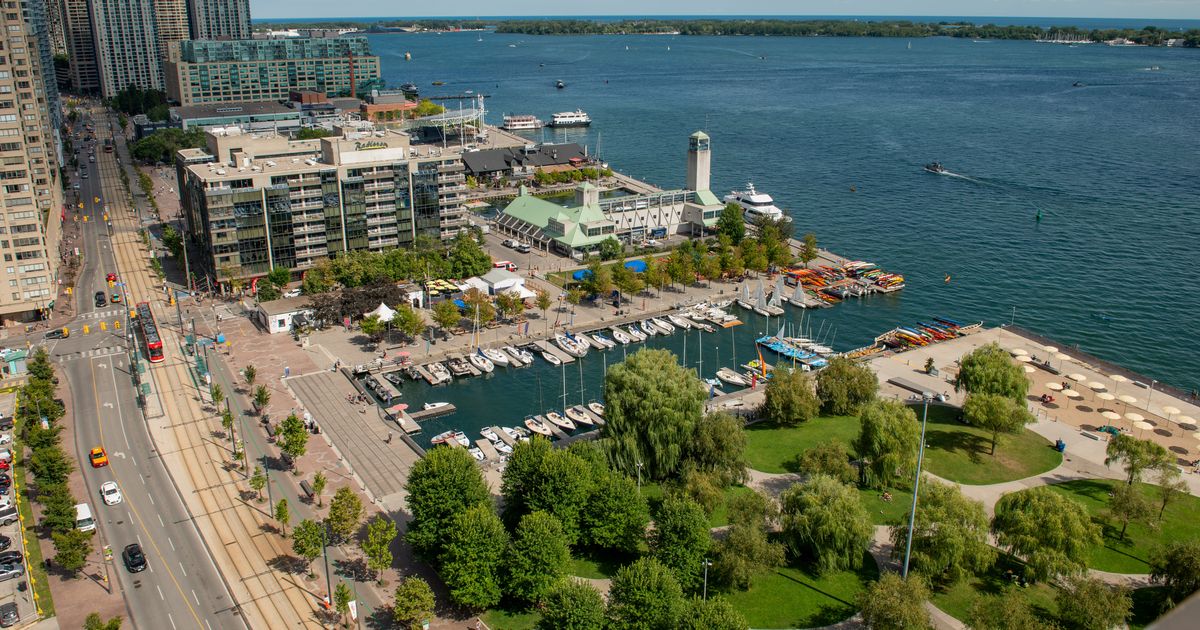
Toronto's Waterfront Remains in Flux: Construction and Impact on Daily Life
Construction and Road Closures: A Constant Imperative
The construction landscape along Toronto's waterfront is a dynamic and ever-evolving tapestry, with the latest notices from the Waterfront Business Improvement Area (BIA) highlighting the ongoing disruptions to both pedestrians and drivers. According to the Waterfront BIA's aggregation of notices, the area is currently experiencing a flurry of activity, particularly on Lake Shore Boulevard East and Lower Sherbourne Street. These projects, funded in part by Toronto Hydro, are set to conclude in December 2026, but the interim impacts are already being felt. The anticipated completion date of December 2026 for the Lake Shore Boulevard East and Lower Sherbourne Street project is surrounded by a web of restrictions and safety measures, including temporary power outages, noise, and traffic controls. Additionally, Eventscape for Waterfront Toronto is undertaking a significant project at Sherbourne Common South, southeast corner adjacent to the Water’s Edge Promenade, which is also expected to wrap up by the spring of 2026. The impact here will be marked by fencing, construction vehicle access, and temporary area closures, underscoring the ongoing challenges faced by both residents and visitors alike.
The Impact of Construction on the Waterfront
These construction projects are not isolated incidents; they are part of a broader transformation of the Toronto waterfront, aimed at enhancing the urban experience. The City of Toronto's Growth and Development Framework, as outlined in the Downtown West BIA's 2025 Annual Report, places a significant emphasis on the pedestrian realm, streetscapes, and uses at grade. This focus on infrastructure and public space is designed to create a more vibrant and accessible waterfront, but it comes at a cost. The CBC reports that King Street construction and road closures are costing local businesses significant amounts of revenue. Ethan Lang, the founder and CEO of LAUFT, a Toronto-based on-demand workspace company, spoke to CBC News about the impacts of the construction project at King and Church streets. "The project at King and Church streets has made it inconvenient for my clients to use our space," Lang lamented. "Noise and traffic diversions are mostly to blame."
These challenges are not unique to King Street; they are indicative of the broader impacts of construction on daily life in the Toronto waterfront area. The CBC reports that the intersection of King Street East and Church Street will be closed to all traffic until mid-August 2025, causing significant disruption for city commuters and drivers. Martin Trainor, a photographer and videographer for CBC, captured the scene, highlighting the ongoing impact of such closures on both local and regional travel. The Toronto Transit Commission (TTC) has issued a diagram showing the various streetcar diversions and replacement bus routes that will be in place during the construction period, indicating the extent of the disruption.
Expert Analysis and Implications
The impacts of these construction projects extend beyond convenience and traffic. According to the Waterfront BIA, the advocacy group is working to ensure that these projects are completed as quickly and with as limited an impact as possible. This is a critical challenge, as the longer the construction period, the greater the disruption and the higher the costs. The City of Toronto and Waterfront Toronto are collaborating closely to manage these projects, but the stakes are high. According to a report by the City of Toronto, the waterfront area generates over $2 billion in economic activity annually, and any disruption to this vibrant ecosystem can have significant economic consequences.
The situation is further complicated by the need to balance construction needs with the demands of the local business community. As Graham Wong, founder and CEO of LAUFT, points out, the impacts of construction are not just about inconvenience; they are about customer satisfaction and retention. "Noise and traffic diversions are mostly to blame," Wong stated. "These factors make it harder for our clients to access our workspace, which can have long-term effects on our business." This sentiment is echoed by other local business owners, who report that the ongoing impacts of construction are costing them significant revenue.
Moving Forward: Key Considerations and Next Steps
As the construction projects continue to unfold, several key considerations will be crucial for ensuring that the impacts are minimized. The City of Toronto, in collaboration with organizations like the Waterfront BIA and Waterfront Toronto, will need to focus on effective communication and coordination to keep the public and businesses informed. This includes providing clear and timely updates on project timelines and impacts, as well as working closely with local businesses to understand and address their specific needs.
Looking ahead, the next few months will be critical as the construction projects reach their peak. The City of Toronto will need to monitor the impacts closely and be prepared to make adjustments where necessary. This could include additional traffic management measures, noise reduction strategies, and enhanced safety protocols. The business community, particularly those in the affected areas, will need to remain engaged and proactive in advocating for solutions that mitigate the disruption.
Conclusion: What to Watch Next
The construction projects along Toronto's waterfront are far from over, and their impacts will continue to shape the urban landscape. As the winter months give way to spring and summer, the focus will shift to managing the continued disruptions and ensuring that the broader goals of enhancing the waterfront experience are achieved. The success of these projects will depend on ongoing collaboration, effective communication, and a commitment to addressing the needs of both the business community and the local residents. The coming months will be crucial in determining the long-term success of these initiatives and their impact on the vibrant and dynamic waterfront area of Toronto.